
Happy holy days
Leviticus chapter 22 emphasizes the importance of cleanliness on the part of the priests. Death is the reward for performing their duties while unclean. The life of those who minister to the people and to Jehovah have additional restrictions. This continues today, but many in Christian service rebel against the high standards they are held to. The call to ministry is special and not to be taken lightly.
In many of the verses, God says, “I am the Lord.” This is literally translated, “I am that I am.” This is the name that we transliterate as Jehovah or Yahweh. It can be stated another way. “I exist because I exist.” He is the Creator, not a creation. Throughout the scriptures, this is stated in various manners. God is God and there are no others.
The Sabbath is one of the festivals mentioned in Leviticus 23. These are holidays. They are days of rest and no work is to be done. A minimum of one day a week is to be celebrated. The Passover is the next one mentioned with the Feast of Unleavened bread. The Festival of First Fruits is to celebrate the beginning of the harvest.
The Festival of Weeks, Trumpets, and Tabernacles, as well as the Day of Atonement, are all times to stop and think about what God has done for them. We have lost the idea of rest on holidays and focusing on God. Each holiday has its own regulations just as each of our holidays is celebrated for different reasons.
©Copyright 2020 by Charles Kensinger


 Leviticus 14 continues with the cleansing of those with skin diseases and ends with cleansing from the mold. Again, much of this is ritual. There may be some scientific or medical explanation for the use of cedarwood and olive oil. If your church has rituals these will not seem as curious as they are for those who have few ceremonies to compare with this.

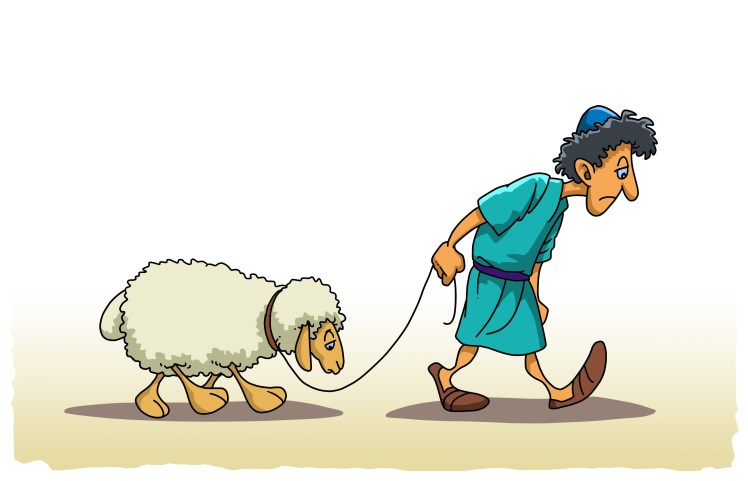 Leviticus 1 gives more instructions for the burnt offering in the tabernacle. The directions are again extremely detailed. A ram or male sheep can be offered, but it must be male. The poor are not left out. Provisions for using an inexpensive dove or pigeon is made.
 We now move on to Exodus 39 where the garments for the priests are described. We think pastors in suits are fancy. That is nothing compared to what Aaron and his sons were to wear. This is to set them apart from even the other Levites. They are not better. They simply have a job that requires them to come into the very presence of God. These garments honor Yahweh.

