
The year of Jubilee
Leviticus 24 is quite unusual. We have instructions for the Show Bread that is to be on the altar every day. Then a story about stoning a blasphemer is told. Pomp and circumstance at its best, don’t you think? Ceremony and discipline. Jehovah wishes to be honored and respected. Insulting His name is not permitted. The entire assembly had to hit him with rocks. That is what stoning is. Over a million people threw a rock at this guy. How big was that pile when they were done? Every time they passed back that way, I am sure the story was told until they were sick of hearing about The Blasphemer. Unfortunately, I don’t think they learned the lesson very well.
Crop rotation is what modern agronomists teach today, but in Leviticus 25 Jehovah instructed the Hebrews to give the land a rest every seventh year. They never did it.
To compound things, even more, they were to observe a Year of Jubilee every fifty years. During this fiftieth year celebration, all the property in the promised land was to be given back to those families that it was given to at the time the land was settled. When selling property, it was to be remembered that God owned all the land and that the Israelites were given it to farm and raise their families on.
Another interesting item in VSS. 35-38 is that Jews were not to charge other Jew’s interest on loans. If a fellow Israelite needed to borrow money, it was to be loaned without interest. What If Christians did this today? The restriction went further in vs. 37. They were not to sell food at a profit to each other. I’m sure that is another command that was not heeded.
The chapter ends with a reminder that the Israelites are to be God’s servants. Followers of Christ have the same commitment. We are to be Yahweh’s servants by serving others as Christ did.
©Copyright 2020 by Charles Kensinger

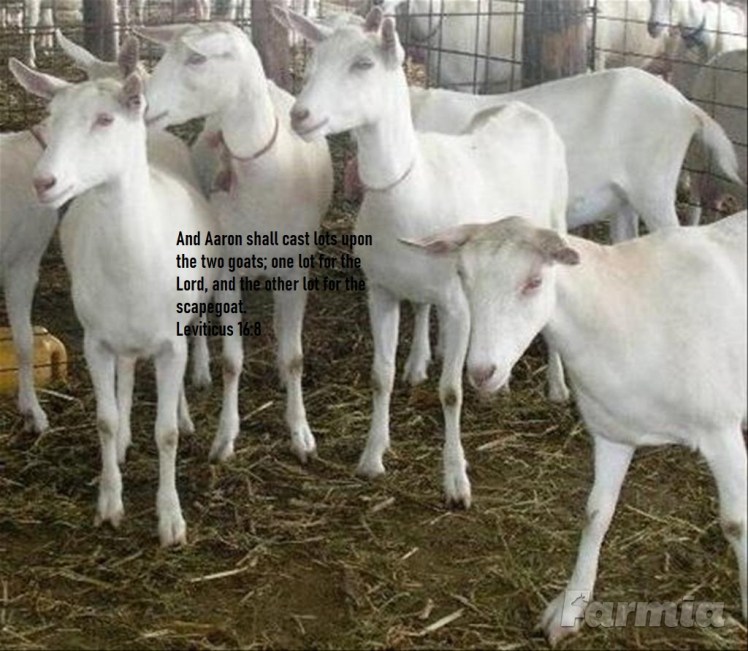

 Leviticus 14 continues with the cleansing of those with skin diseases and ends with cleansing from the mold. Again, much of this is ritual. There may be some scientific or medical explanation for the use of cedarwood and olive oil. If your church has rituals these will not seem as curious as they are for those who have few ceremonies to compare with this.

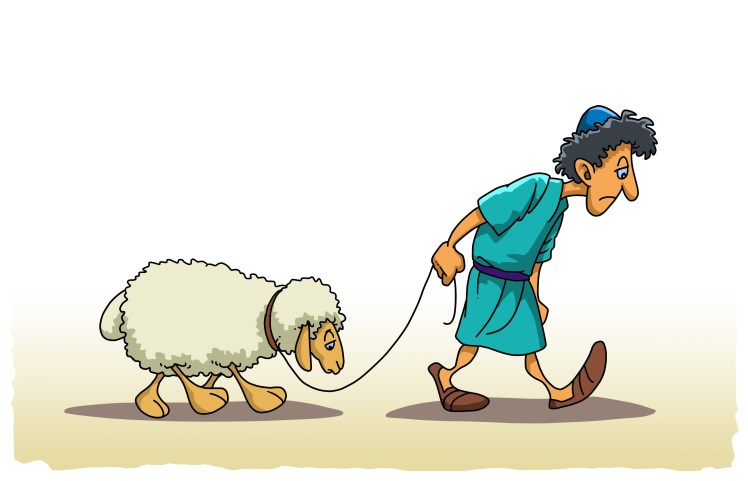 Leviticus 1 gives more instructions for the burnt offering in the tabernacle. The directions are again extremely detailed. A ram or male sheep can be offered, but it must be male. The poor are not left out. Provisions for using an inexpensive dove or pigeon is made.
 We now move on to Exodus 39 where the garments for the priests are described. We think pastors in suits are fancy. That is nothing compared to what Aaron and his sons were to wear. This is to set them apart from even the other Levites. They are not better. They simply have a job that requires them to come into the very presence of God. These garments honor Yahweh.
 Charles (Chuck) Kensinger