
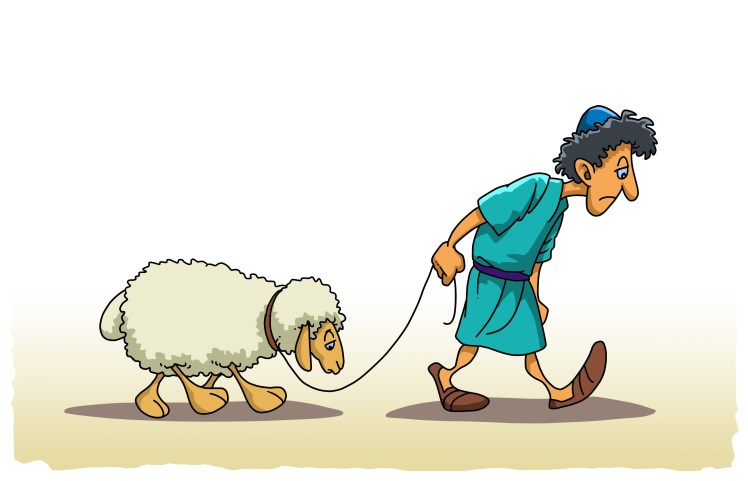
 Leviticus 1 gives more instructions for the burnt offering in the tabernacle. The directions are again extremely detailed. A ram or male sheep can be offered, but it must be male. The poor are not left out. Provisions for using an inexpensive dove or pigeon is made.
The contact with the animal and the person the sacrifice is for is essential. When Jesus Christ made His ultimate and final sacrifice, He had connected himself to all of us by taking on humanity. Without this connection, there could be no substitutionary atonement.
While the burnt offering is representative of Christ, the grain offering in Leviticus 2 is reminiscent of the unleavened bread in the Passover feast. The priests are given their portion of this gift. This establishes the heritage of supporting professional ministers with our gifts. Again, Jehovah is very plain about all the accepted procedures.
Yeast and honey are restricted from the grain offerings. Salt, on the other hand, is mandatory. Why? The reference to the aroma is the key to the yeast and honey. Burning them causes an unpleasant odor. Salt is a preservative just as Passover preserved Israel by delivering them from Pharaoh.
In Leviticus 3 the blood is the focus. It must be splashed on the altar when any offer is made, but the peace offering is to establish a calm resolution between the sinfulness of man and Yahweh. Blood is an integral part of this. The blood of Christ had to be shed to cover humanity’s sin.
The prohibition of eating fat and blood is the precursor to scientific and medical reasons that we now have. To avoid illnesses the Jews were given health advice in their law. This law is a continuation of the commands in Exodus. Here we have more specifics.
Leviticus chapter 4 tells us about using a bull as the sacrifice for unintentional sin. Even the smallest infraction must be atoned for in this manner. The blood is drained and sprinkled on the altar and poured out around it. The fat and entrails are burned on the altar. The rest is burned outside of the camp. None is given to the Levites for food.
The sacrifice varies due to who the offering is for. Aaron, Moses, another priest, Moses or another leader or the people will sin, and the blood must be spilled. The atonement must be made. Our words about Christ’s final act, canceling this needed action apply here also. He fulfilled the law. It was not canceled and should not be ignored.
©Copyright 2020 by Charles Kensinger
Discover more from Charles (Chuck) Kensinger
Subscribe to get the latest posts sent to your email.
 Charles (Chuck) Kensinger