
Clean and Unclean

Leviticus 11 specifies clean and unclean animals. Today we do not concern ourselves with these laws. They are considered dietary and not needed in our modern society. The list of unclean includes the camel, rock badger, rabbit, pig, vultures, kites, falcons, eagles, ravens, and crows. Certain sea creatures and insects are also unclean as well as all crawling animals like lizards.
The restrictions on pork and other meats may continue to be good for humans. Medicine directs us to avoid many of these that God originally made unclean for us. Most Americans still maintain insect prohibition and expand it to all the family.
The teaching in Leviticus 12 about the cleansing of a woman after childbirth also deals with the subject of blood and purification. Blood must be shed to cancel out sin. Blood also makes a person unclean if they meet blood except in the case of making offerings to Jehovah. Once again, a provision is made for someone that cannot afford a lamb.
Skin disease is discussed in Leviticus 13. The law gives medical advice as well as nutritional information. Much of this does not seem very important to modern people. We must understand that this is instructions to the people who do not have medical doctors. Medicine in that age was trial and error. The isolation of certain people with specific symptoms is to prevent the contagious conditions being spread throughout the community.
The end of this chapter deals with mold in much the same manner. USDA & FDA regulations were not available. These are the Israeli equivalent to these rules.
©Copyright 2020 by Charles Kensinger
 Leviticus 14 continues with the cleansing of those with skin diseases and ends with cleansing from the mold. Again, much of this is ritual. There may be some scientific or medical explanation for the use of cedarwood and olive oil. If your church has rituals these will not seem as curious as they are for those who have few ceremonies to compare with this.

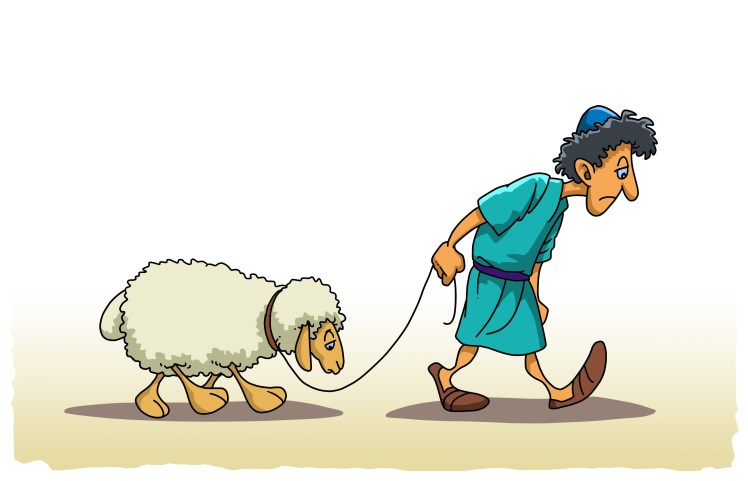 Leviticus 1 gives more instructions for the burnt offering in the tabernacle. The directions are again extremely detailed. A ram or male sheep can be offered, but it must be male. The poor are not left out. Provisions for using an inexpensive dove or pigeon is made.
 We now move on to Exodus 39 where the garments for the priests are described. We think pastors in suits are fancy. That is nothing compared to what Aaron and his sons were to wear. This is to set them apart from even the other Levites. They are not better. They simply have a job that requires them to come into the very presence of God. These garments honor Yahweh.
 Exodus 30 discusses the building of the altar of incense, atonement money, washing and incense. Again, Yahweh is very specific about how to make these items and use them. The formulas are to be held sacred forever. Let’s stop and think about each of these for a minute.
 Charles (Chuck) Kensinger